4 TCR Blindspots every CEO, CFO, CAO & CRO should address.
Eliminate the blindspots.
Rethink your legacy TCR fleet.
Why banking Chief Retail Officers should re-examine and evaluate their legacy TCR fleet to increase ROI.
For many financial institutions, Teller Cash Recyclers (TCRs) are standard branch technology, but many institutions still rely on legacy systems that create hidden costs through manual audits, limited cash capacity, increased downtime, and reactive service. These outdated platforms reduce branch efficiency, impact staff productivity, and limit ROI.
The question is no longer whether you need TCRs. It's whether your current fleet is delivering the strategic value your institution deserves.
Three questions every Chief Retail Officer should be asking
1. Is our TCR fleet helping or hindering branch efficiency?
Older Rolled Storage Module (RSM) recyclers demand more manual intervention and deliver lower throughput than modern cassette-based systems. Modern TCRs:
- Reduce manual cash handling and runouts
- Improve transaction speed and throughput
- Free staff to engage members instead of managing cash
2. Are we measuring the full cost of downtime?
The true cost of a TCR extends well beyond the purchase price. Every hour of downtime creates:
- Teller workarounds and longer transaction times
- Increased labor expense and higher service costs
- Reduced member satisfaction
Evaluate the service model, not just the hardware - proactive support dramatically improves uptime.
3. Is our cash recycling strategy delivering ROI?
Cash recycling has evolved from branch equipment into a connected ecosystem. Leading institutions pair next-generation TCRs with managed services to gain:
- Automated self-audits and remote device-health visibility
- Data-driven branch optimization
- Reduced service expense and operational consistency
Executive Takeaway
A smarter question about cash recycling.
Your fleet is only as good as your service partner
Modern TCRs improve branch efficiency—but only at peak performance. The right service and maintenance provider matters as much as the right hardware. A proactive service model should include:
- Remote monitoring of device health
- Preventative maintenance before failures
- Ongoing software updates
- Rapid response when issues arise
When a recycler is down, productivity suffers and staff fall back to manual processes. The best TCR strategy goes beyond better equipment; it means partnering with a service organization that minimizes downtime and protects your investment across its lifecycle.
Signs it may be time to re-evaluate your fleet
- Frequent cash runouts or capacity limitations
- Manual dual-control audits consuming staff time
- Increasing maintenance costs or service events
- Aging Rolled Storage Module (RSM) technology
- Limited remote visibility and reporting
- Difficulty supporting branch growth initiatives
The opportunity
The next generation of Teller Cash Recyclers delivers measurable operational gains across the branch:
- Greater cash capacity
- Automated self-auditing
- Faster transactions
- Lower operating costs
- Improved uptime
- Enhanced member experiences
A better question
Because in today's branch environment, cash recyclers are no longer just equipment. They're an operational strategy.
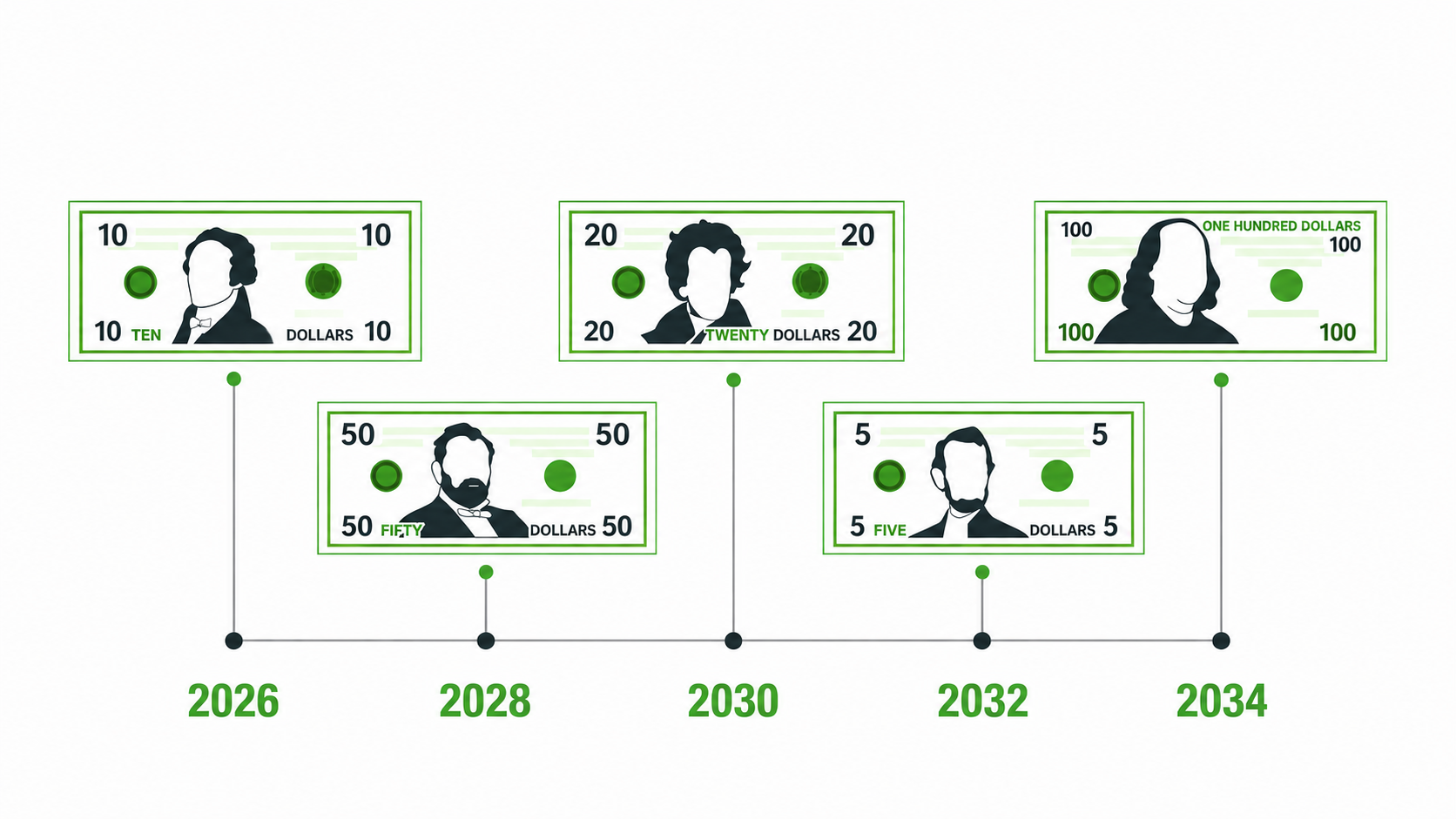
Are your Teller Cash Recyclers & Cash Counters Ready for the NEW $10 BILL