Banking has changed dramatically. Customers can deposit checks from a phone, open accounts online, transfer money in seconds, and handle many everyday transactions without stepping into a branch.
But digital banking has not eliminated the need for physical banking equipment. It has changed what that equipment needs to do.
ATMs and ITMs still extend service beyond the teller line. Cash automation equipment helps branches manage physical currency more efficiently. Drive-up systems continue to support convenient transactions. Safes, vaults, teller equipment, and night depositories remain part of the physical infrastructure that protects assets and keeps branches operating.
The opportunity for banks and credit unions is not to choose between digital and physical banking. It is to make sure their physical equipment continues to support the way customers and employees bank today.
What Counts as Banking Equipment Today?
Banking equipment includes much more than the traditional teller counter. A modern branch network may rely on several types of equipment working together, including:
- ATMs and ITMs for self-service and extended customer access
- Teller Cash Recyclers (TCRs), currency counters, and other cash-management equipment for faster and more controlled cash handling
- Drive-up drawers and pneumatic tube systems for secure transactions outside the branch
- Night depositories for after-hours deposits
- Teller and branch equipment such as counters, under-counter steel, lockers, and related fixtures
- Safes, vaults, locks, and safe-deposit equipment for physical asset protection
Some of these technologies are decades old in concept. That does not make them outdated. In many cases, the equipment has evolved alongside newer banking technology and remains essential to the way a branch operates.
Why Physical Banking Equipment Still Matters
Customers still need physical access to banking services
Digital channels can handle a growing number of transactions, but they cannot replace every physical interaction. Customers still withdraw and deposit cash, use drive-up lanes, access safe-deposit services, and rely on ATMs and ITMs outside normal branch hours.
The best branch strategy gives customers multiple ways to interact with their financial institution instead of forcing every transaction into a single channel.
Branches still need reliable physical infrastructure
A piece of banking equipment may not be customer-facing every minute of the day, but when it fails, the impact can be immediate. An ATM that is unavailable, a drive-up lane that cannot operate, or cash equipment that repeatedly requires manual work can slow employees down and create a poor customer experience.
That makes reliability, maintenance, and serviceability important parts of the equipment decision, not just the initial purchase price.
Modernization does not always mean replacement
Not every older piece of banking equipment needs to be removed simply because newer technology exists. In many cases, the better question is whether the equipment still performs its job safely, reliably, and efficiently.
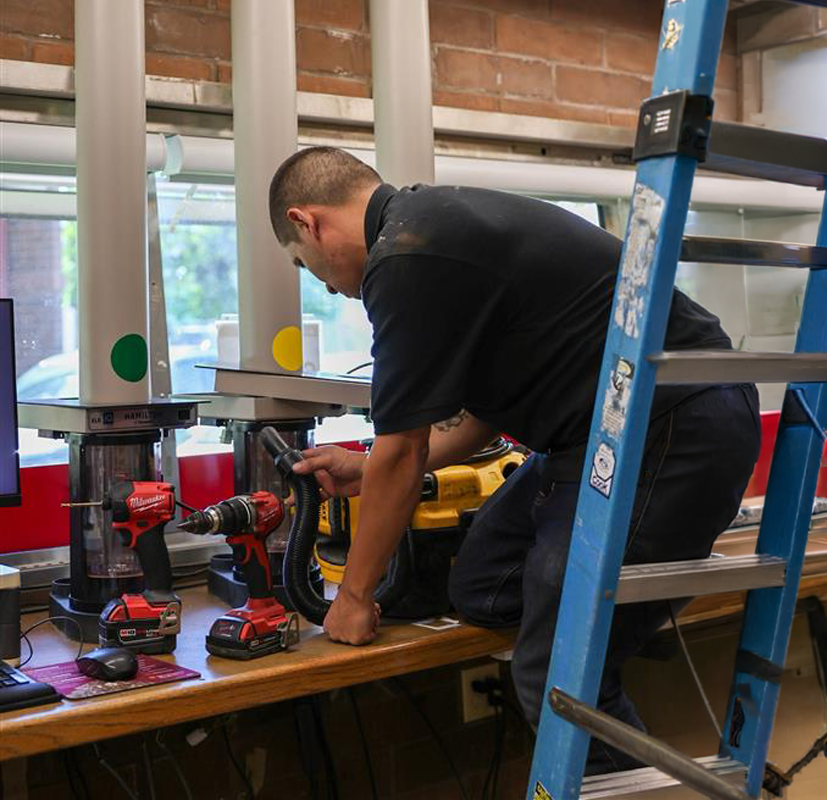
Some equipment may benefit from preventative maintenance or component upgrades. Other equipment may need to be relocated as a branch changes. In other situations, replacement may make sense because of recurring downtime, parts availability, security requirements, or a change in how the branch serves customers.
Maintain, Modernize, or Replace?
Instead of replacing equipment on age alone, banks and credit unions can evaluate each asset based on how well it supports current operations.
Useful questions include:
- Is the equipment reliable, or are service calls becoming more frequent?
- Are replacement parts still readily available?
- Is downtime affecting customers or branch employees?
- Does the equipment still fit the branch's current workflow?
- Are there security, compliance, or operational reasons to upgrade?
- Can the equipment work alongside newer systems and technology?
- Would relocation, refurbishment, or preventative maintenance extend its useful life?
- Is a remodel, branch opening, consolidation, or equipment refresh already planned?
This approach helps institutions avoid two expensive mistakes: replacing useful equipment too early and keeping underperforming equipment too long.
Different Equipment Requires Different Lifecycle Decisions
ATMs and ITMs
ATMs and ITMs combine physical hardware with software, networking, security, and ongoing service requirements. Their lifecycle decisions may involve deployment, hardware maintenance, software support, remote management, security updates, or eventual replacement.
Cash-management equipment
Teller Cash Recyclers, currency counters and discriminators, and other cash-handling systems can reduce manual processes and help branches manage physical cash more consistently. The right equipment depends on transaction volume, branch workflow, security needs, and the level of automation an institution wants to achieve.
Drive-up systems and night depositories
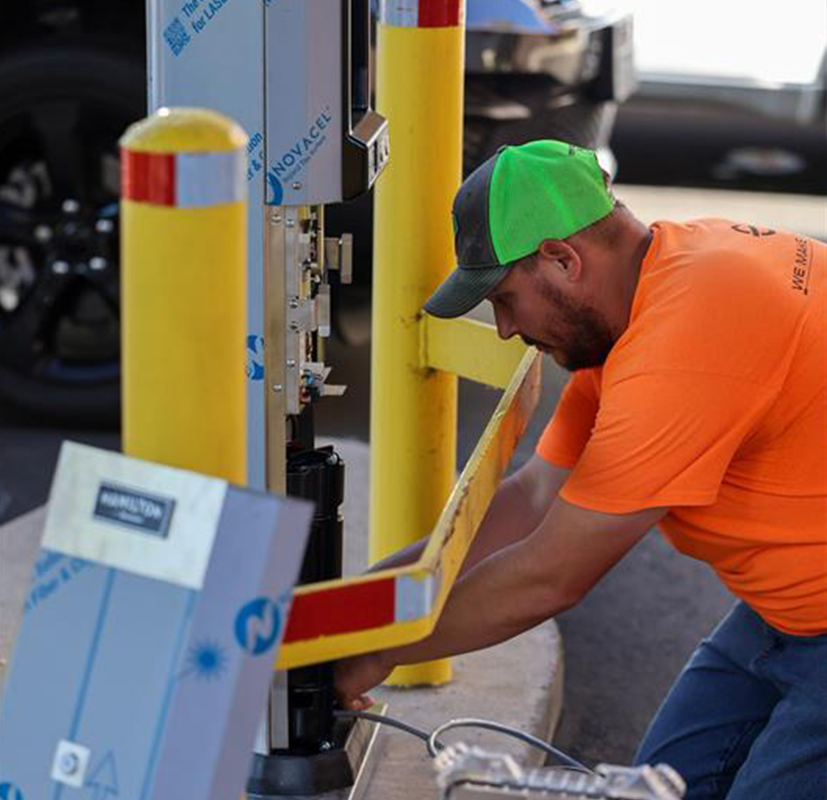
Drive-up drawers and pneumatic tube systems remain useful wherever customers need secure, convenient service without entering the branch. These systems may need periodic repair, modernization, replacement, or redesign as traffic patterns and branch layouts change.
Safes, vaults, locks, and teller equipment
Traditional physical-security equipment often has a long service life. That makes ongoing inspection, lock and combination service, preventative maintenance, repair, and careful planning around branch renovations especially important.
Plan Banking Equipment as Part of the Branch Strategy
Banking equipment works best when it is managed as part of the broader branch environment rather than as a collection of unrelated devices.
For financial institutions with multiple locations, that means understanding what equipment is installed at each branch, which assets are creating recurring service issues, where upgrades are needed, and which equipment can continue to perform with proper maintenance.
A planned approach also makes branch openings, remodels, relocations, and equipment refreshes easier to manage because decisions are based on the condition and role of the equipment instead of reacting only after something fails.
Banking Equipment Is Evolving, Not Disappearing
The branch of the future may use more digital tools, more automation, and more remote services, but physical banking equipment will continue to play an important role.
The goal is not to preserve old equipment simply because it is familiar. It is to understand which equipment still creates value, maintain it properly, and modernize or replace it when the operational benefit is clear.
Cook Solutions Group supports financial institutions with banking-equipment installation, service, repair, replacement, relocation, and preventative maintenance across a range of branch technologies. CSG also supports modern retail banking solutions, including ATMs, ITMs, TCRs, cash-management equipment, drive-up systems, and related branch technology.
Frequently Asked Questions
What is banking equipment?
Banking equipment is the physical technology a branch relies on to serve customers, handle cash, and protect assets. It includes ATMs and ITMs, Teller Cash Recyclers (TCRs) and currency-handling equipment, drive-up drawers and pneumatic tube systems, night depositories, teller and branch equipment, and safes, vaults, and locks.
Is physical banking equipment becoming obsolete?
No. The role of physical equipment is changing, but banks and credit unions still rely on equipment such as ATMs, ITMs, TCRs, drive-up systems, safes, vaults, and cash-handling technology. The key is making sure the equipment supports current customer and operational needs.
When should a bank replace banking equipment?
Replacement may make sense when equipment has frequent downtime, parts are difficult to obtain, security or operational requirements have changed, or newer equipment provides a meaningful improvement in reliability, efficiency, or customer experience.
Can older banking equipment be maintained instead of replaced?
Often, yes. Preventative maintenance, repair, refurbishment, relocation, or component upgrades may extend the useful life of equipment that still meets the institution's needs.
What types of banking equipment does Cook Solutions Group support?
CSG supports a broad range of banking equipment, including ATMs, ITMs, TCRs, currency-handling equipment, drive-up systems, night depositories, teller and branch equipment, safes, vaults, locks, and related physical banking technology.








.png)