What you'll find in this article:
A high efficiency ratio — one near 90% — rarely comes from one department or one decision. It builds through accumulated operational friction: vendor overlap, branch workflows that haven't changed, technology that's installed but underused, and IT teams carrying work that could be supported differently. This article identifies the operating patterns that keep efficiency ratios high and the questions leadership should ask before the next budget cycle.
This article covers: what the efficiency ratio is really telling you, the six operating patterns that keep ratios high, why cost cutting alone can make things worse, seven questions to ask before the next budget cycle, and when a Strategy Workshop makes sense.
For a bank or credit union, a high efficiency ratio is more than a finance metric. It is a warning sign that the institution may be spending too much energy, time, and money to produce every dollar of revenue.
When that efficiency ratio climbs near 90%, the issue usually does not live in one department. It is rarely just a staffing problem, a branch problem, an IT problem, a vendor problem, or a technology problem. It is usually the result of many small points of friction that have built up over time.
A branch still handles too many routine transactions manually. An ATM fleet is treated like equipment maintenance instead of a performance channel. A branch automation tool is installed, but not used to reshape the staffing model. Vendors overlap. Service issues create repeat calls. IT teams inherit support work that could be handled differently. Security systems collect useful data, but that data never makes it into operational decisions.
That is the efficiency gap — the space between the institution's strategy and the daily operating model that is supposed to support it.
If you've worked through our Strategic Guide for Banking Executives, you know that efficiency ratio improvement is one of the ten questions worth answering before your next planning conversation. The guide asks: what would a 2% efficiency ratio improvement mean for your institution? This article focuses on the operating drag that often prevents institutions from getting there.
The challenge is not knowing the ratio matters. Most executives already know that. The harder question is why the efficiency ratio stays high even after budgets have been reviewed, vendors have been questioned, and new technology has been added.
What the Efficiency Ratio Is Really Telling You
The efficiency ratio measures how much noninterest expense is required to generate revenue — but the number itself doesn't explain the cause. That's where most institutions stop too early.
A lower efficiency ratio generally means the institution is operating more efficiently. A higher ratio means more revenue is being consumed by overhead, staffing, systems, vendors, processes, and other operating costs.
A high efficiency ratio can come from revenue pressure, expense growth, or underused technology. It can come from a branch network that no longer matches member or customer behavior, or from IT complexity that leadership cannot see clearly until they map the full system.
That is why an efficiency ratio review should not stop with the finance team. Finance can show the number. The rest of the institution helps explain it.
What is a bank efficiency ratio?A bank efficiency ratio measures how much noninterest expense is required to generate revenue. A lower ratio generally indicates stronger operating efficiency, while a higher ratio may show that overhead, systems, staffing, vendors, or processes are consuming too much of the institution's revenue.
Why Banks and Credit Unions Get Stuck Near 90%
A financial institution gets stuck near 90% when the operating model becomes heavier than the strategy can support — and the weight builds gradually through decisions that each made sense at the time.
One department adds a vendor to solve a specific issue. Another team adds a platform because their workflow is different. A branch keeps an old process because staff know how to work around it. A technology upgrade gets approved, but training is incomplete. An ITM is installed, but customer adoption is never fully measured. Security, operations, and retail teams all collect information, but they are not reviewing it together.
Over time, the institution becomes harder to operate. The problem is not always waste. In many cases, the problem is friction.
Friction is harder to see than a line item. It shows up as repeat work, unclear ownership, slow decisions, preventable service calls, duplicate vendor responsibilities, staff time spent on low-value tasks, and customer experiences that require too much manual support.
When leadership teams review the efficiency ratio only through expenses, they may miss the real cause. The institution does not simply need to spend less. It needs to operate with less drag.
Is a 90% efficiency ratio bad?A 90% efficiency ratio is usually a sign that the institution should take a closer look at its operating model. It does not automatically point to one problem, but it may suggest that expenses, branch workflows, technology utilization, vendors, or revenue pressure need executive review.
The Operating Patterns That Keep Efficiency Ratios High
Every institution is different, but the same six patterns show up consistently in institutions stuck near 90%.
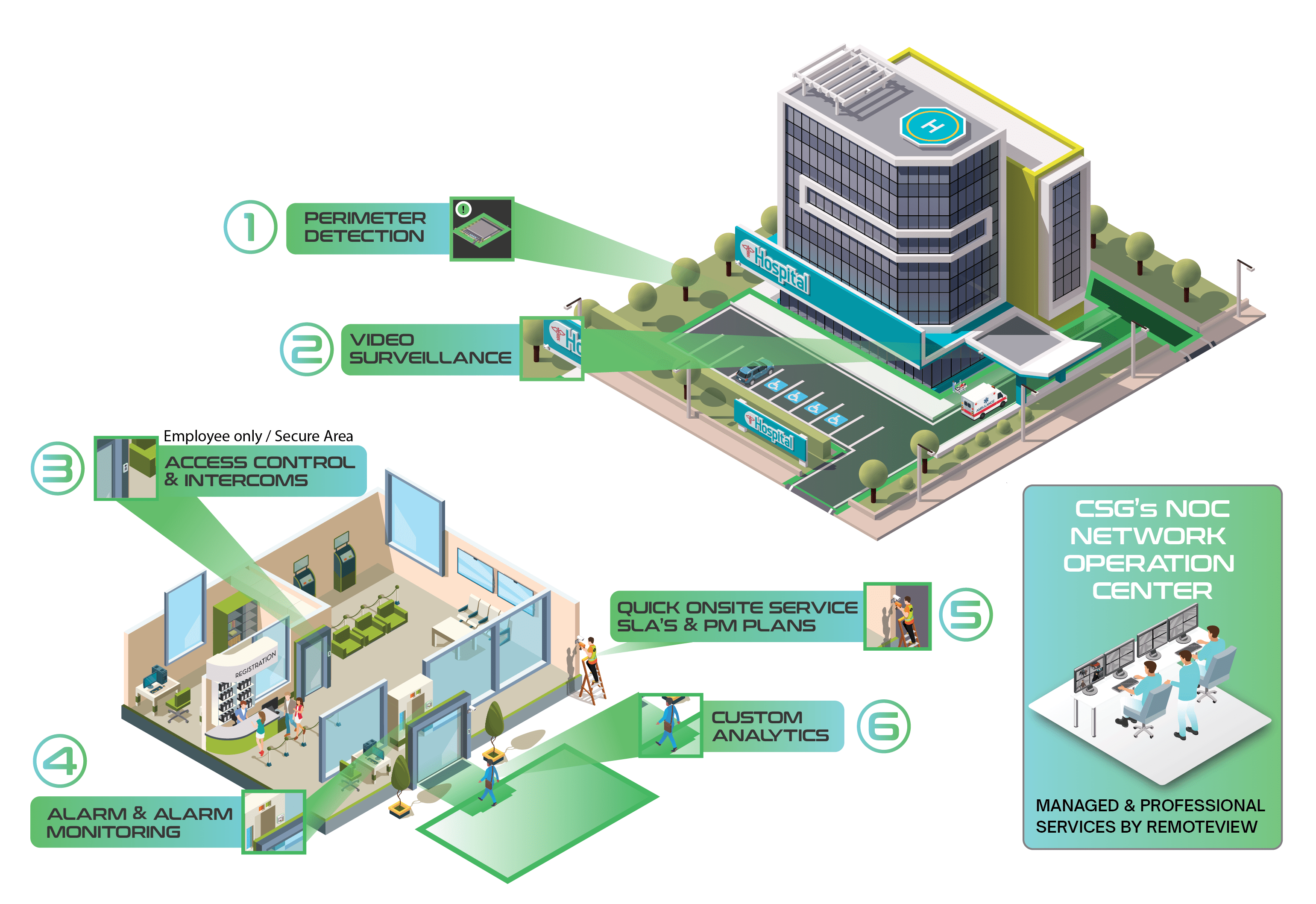
When security tools reduce investigation time and support faster decisions, they contribute directly to operational performance.
Why Cost Cutting Alone Can Make the Efficiency Ratio Worse
A high efficiency ratio often creates pressure to cut expenses. However, across-the-board cost cutting can create new problems if it ignores the underlying operating model.
- Reducing staff without changing workflows can hurt service.
- Cutting vendor spend without fixing accountability can increase support issues.
- Delaying technology investment can preserve outdated processes.
- Reducing branch hours without improving self-service access can frustrate customers.
- Pushing more work onto IT can slow strategic execution.
The goal should be disciplined improvement, not blunt reduction. A healthier approach looks for ways to reduce friction while protecting the customer experience and employee capacity. That may include changing how branches use staff, consolidating vendors, improving remote support, increasing ATM and ITM uptime, using cash automation more effectively, or redesigning service workflows.
Seven Questions to Ask Before the Next Budget Cycle
Leadership teams can use the efficiency ratio as a starting point for better questions.
1. Which recurring problems consume the most staff time?
Look for issues that happen often enough to feel normal. Repeated workarounds are usually a sign that a process, system, or vendor relationship needs attention.
2. Are we using our ATM, ITM, and cash automation tools as part of a branch strategy?
If the technology is installed but has not changed staffing, transaction flow, access, or service delivery, there may be untapped value.
3. Where do vendors overlap?
List the systems, service responsibilities, support contacts, contracts, and renewal dates. Then identify where one partner or platform may be able to reduce complexity.
4. What work is being pushed onto IT that could be supported differently?
Separate strategic IT work from recurring support burden. If internal teams are stuck maintaining systems instead of improving them, efficiency work will stall.
5. Which branches cost more to operate than their growth potential supports?
Do not only review branch profitability. Review market opportunity, service model, staffing structure, transaction mix, cash handling burden, and whether a micro-branch or ITM-supported model could achieve the goal with less overhead.
6. Which systems create useful data that no one reviews?
Video, alarms, access control, service records, ATM and ITM performance, and cash automation tools can all produce signals. If the data does not reach decision-makers, the institution may be paying for visibility it does not use.
7. Do mid-level managers understand the strategic direction?
Efficiency improvement cannot stay in the executive meeting. Managers make daily decisions that shape staffing, service delivery, technology adoption, and customer experience. If they do not understand the strategy, execution will drift.
What a 2% Improvement Can Mean
A 2% efficiency ratio improvement may sound small. It is not.
For many institutions, a 2% improvement can create room to fund work that has been delayed or underdeveloped. That may include technology upgrades, micro-branch planning, deposit growth initiatives, branch modernization, customer experience improvements, managed services, or stronger vendor oversight.
The value is not only in the savings. The value is in the capacity the institution gets back. Capacity gives leadership more options. It gives staff more time. It gives IT more room to support meaningful work. It gives retail and operations teams a cleaner path to execute strategy.
Turning the Metric Into a Roadmap
The efficiency ratio is useful because it forces leadership to look at performance clearly. But the number alone does not create a plan. To move from metric to roadmap, banks and credit unions need to connect the ratio to the operating areas that influence it.
A practical review should include:
- Branch staffing and transaction flow
- ATM and ITM utilization
- Cash automation strategy
- Vendor overlap
- Service and maintenance history
- IT capacity
- Security system integration
- Fraud and investigation workflows
- Deposit growth plans
- Micro-branch opportunities
- Front-line manager feedback
- Customer experience friction
This kind of review works best when the right teams are in the same conversation. Finance may see the ratio. Retail may see the customer impact. Operations may see process waste. IT may see system limits. Security may see risk exposure. Vendor management may see contract complexity. Branch leaders may see what slows the front line down every day.
When those views stay separate, the institution gets partial fixes. When they come together, leadership can see the full operating picture. Our guide to breaking down banking silos covers this alignment challenge in detail.
When a Strategy Workshop Makes Sense
A Strategy Workshop makes sense when the institution knows performance can improve, but the root causes are spread across departments, vendors, systems, and workflows. It is not about chasing one metric in isolation. It is about asking better questions with the right people in the room.
For banks and credit unions stuck near 90%, the goal is not to make one quick change and hope the ratio improves. The goal is to build a clearer operating model that supports growth, improves service, reduces friction, and gives the institution more strategic capacity.
Frequently Asked Questions
What is a bank efficiency ratio?
A bank efficiency ratio measures how much non-interest expense is required to generate revenue. A lower ratio generally indicates stronger operating efficiency, while a higher ratio may show that overhead, systems, staffing, vendors, or processes are consuming too much of the institution's revenue.
Is a 90% efficiency ratio bad?
A 90% efficiency ratio is usually a sign that the institution should take a closer look at its operating model. It does not automatically point to one problem, but it may suggest that expenses, branch workflows, technology utilization, vendors, or revenue pressure need executive review.
How can banks and credit unions improve efficiency ratio?
Banks and credit unions can improve efficiency ratio by reducing operational friction, improving staff productivity, increasing ATM and ITM utilization, using cash automation strategically, consolidating vendors, reducing service issues, improving remote support, and aligning technology decisions with business goals.
Why do banks and credit unions struggle to lower efficiency ratio?
Many institutions struggle because the causes are spread across departments. Retail, operations, IT, security, vendor management, and branch teams may all see different parts of the issue. Without a shared strategy, the institution may make isolated improvements that do not change the full operating model.
How does vendor consolidation affect efficiency?
Vendor consolidation can reduce contract complexity, support confusion, duplicate systems, unclear accountability, and internal administrative work. The goal is not fewer vendors for its own sake. The goal is clearer ownership, better service visibility, and less operational drag.
How can branch technology improve efficiency?
Branch technology can improve efficiency when it changes how work gets done. ATMs, ITMs, TCRs, cash recyclers, video banking, and managed services can reduce manual tasks, improve access, shift staff time toward advisory work, and lower the cost-to-serve when they are tied to a clear branch strategy.
















.png)